PIPELINE FACILITIES AND PIPELINES IN OUR COMMUNITY
The US has 2.4 million miles of natural gas pipelines and approximately 240,000 miles of hazardous liquid pipelines. Knowing and understanding where our Gas and C02 Pipelines are, the hazards and how to identify and respond to a possible leak or incident will help keep our families, our community and our employees safe.
Red Cedar Gathering Company gathers and transports natural gas and C02 products. It’s important to understand Red Cedar is taking pipeline safety measures to ensure not only pipeline operations, but public safety.
Statistics indicate that damage from excavation-related activities is a leading cause of pipeline accidents. If you are a homeowner, farmer, excavator, or developer, we need your help in preventing pipeline emergencies.
What is 811
811 is the national call-before-you-dig phone number. Anyone who plans to dig should call 811 or go to their state 811 center’s website a few business days before digging to request that the approximate location of buried utilities be marked with paint or flags so that you don’t unintentionally dig into an underground utility line.
811 protects you and your community! Hitting a buried line while digging can disrupt utility service, cost money to repair, or cause serious injury or death. Always contact your 811 center, wait the required time for utilities to respond to your request, and ensure that all utilities have responded to your request before putting a shovel in the ground.
Do I Need to Contact 811?
Yes! Any digging requires contacting your 811 center, either by calling 811 from anywhere in the U.S. or making your request through your state 811 center’s website. Planting a garden? Installing a fence or mailbox? You must contact 811.
When you dial 811, you will automatically be connected to a representative from your state’s 811 center who will ask you simple questions about the location and details of your digging project. If you make your request online, you will enter the same information into a form. Either way, you will receive a ticket number and instructions for how much time utilities have to respond to your request, as well as how to confirm that all utilities have responded before you can safely dig.
Wait for the Marks!
Utilities will mark their buried lines on your dig site.
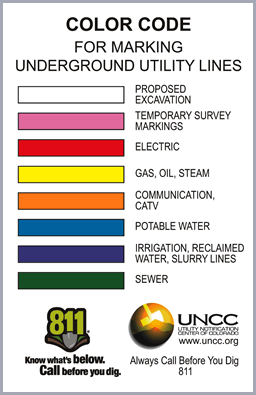
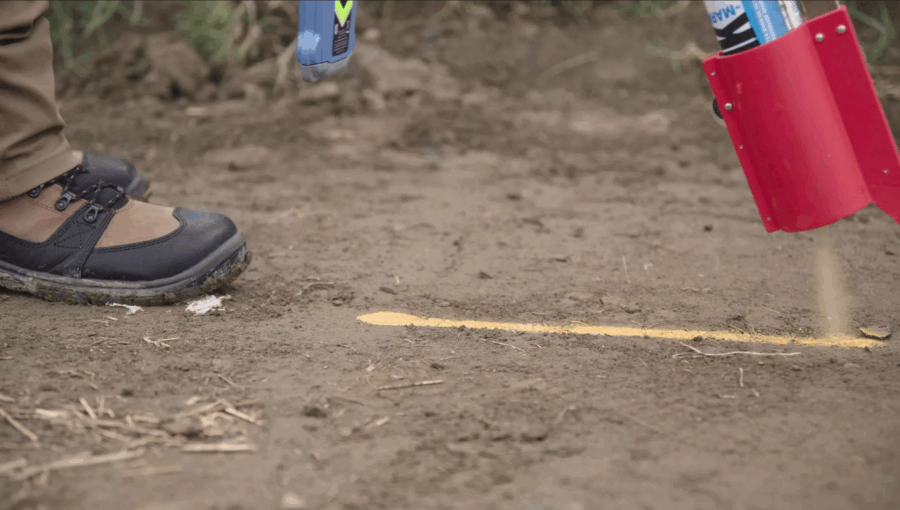
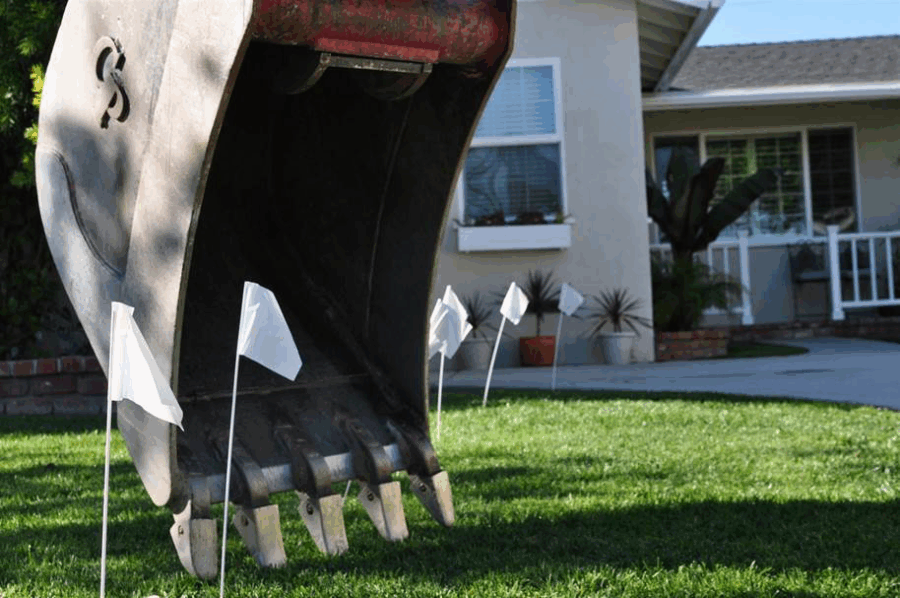
State laws vary, but generally, utility companies have a few days to respond to your request. Utilities will send out locators who will come to your dig site to mark the approximate location of buried utilities with paint or flags so that you can avoid them. Each utility type corresponds to a specific color of paint or a flag — for example, gas lines are marked with yellow paint or flags. In addition to waiting for marks, you must use the info on your ticket to confirm that ALL utilities have responded before you can dig.
What’s Next?
Digging Safely
You called before digging, waited for your lines to be marked, confirmed that all utilities responded to your request, and now it’s time to roll up your sleeves and get to work! Make sure to always dig carefully around the marks, not on them. Some utility lines may be buried at a shallow depth, and an unintended shovel thrust can bring you right back to square one — facing potentially dangerous and/or costly consequences. Don’t forget that erosion or root structure growth may shift the locations of your utility lines, so remember to call again each time you are planning a digging job.
The Plan is Simple:
Call your state’s One Call Center (811) at least three working days before excavation is scheduled to begin. It’s the law!
Wait the required amount of time.
One of our trained technicians will mark the location of the pipeline with a white line at the excavation site at no cost to you.
Respect the line markers. There is a line in the area.
Dig with caution and care.
Signs of a release
Everyone should be aware of the signs of a potential pipeline release. They can be recalled easily by associating them with the senses of sight, smell and sound. While the signs of a release will vary depending on the product that is being transported, following these guidelines will help you respond and summon help safely.
Do you see blowing dirt, a sheen on the water’s surface, or continuous bubbles in a creek, pond, or standing water? Do you know of a fire or an explosion near the location of a pipeline? Has a pipeline been exposed after a heavy rain or natural disaster such as an earthquake or flood? Is there an unusual hump or divot (low spot) where a pipeline runs?
Do you smell an unusual, oily, or chemical odor? Some compare it to the stench of rotten eggs (H2S), or a skunk’s release, or that sulfur smell that lingers in the wake of a recently lit match. But remember, natural gas won’t always emit an odor, not unless an additive has been injected.
Do you hear a hissing, bubbling, whistle, or roaring sound or did you hear an explosion?
PIPELINE OR PIPELINE FACILITY LEAK
It’s very important to be able to recognize signs of a potential pipeline leak and know how to respond to protect people, property and the environment. Keep in mind that not all of these signs need to be present to Recognize a leak.
Do you see:
Dead Vegetation, stains or liquid on the ground near the pipeline, blowing dirt, fire, dense white cloud or fog, frost or frozen ground near the pipeline or pipeline marker
If you suspect a leak or see something above, you should:
Get away from the area immediately when upwind direction occurs and warn others to stay away
Do not light a match, use your cel phone, start an engine, turn off or on any electrical appliances, avoid ignition sources.
Once a safe distance away, call 911 and Red Cedar at 970-764-6953
Do not drive around the area or touch any part of the pipeline if you can see it
Avoid contact with escaping vapors or liquids as this may cause eye and skin irritation, respiratory irritation, breathing problems and could be a potential fire hazard.
Protecting Right-of-Way (ROW)
Red Cedar keeps assets as safe as possible; however, we also depend on the people who work and live around or near our pipelines and facilities, public officials and government officials to notify us about damage and leaks on our right-of-way.
Red Cedar Right-of-Way is the section of land over and 25 feet on either side of it that has been cleared. To keep these safe, legally one cannot build structures, plant trees or shrubs, park any kind of vehicles on it, as it could interfere (encroach) with our safe operation of the pipeline.
Red Cedar aerial patrols the pipeline twice a month to ensure the ROW is clear and we perform regular maintenance. If you see something interfering on our ROW, please contact us.
Ensure your safety around oil and gas facilities:
Know where production sites and pipelines are located.
Know how to contact the operators.
Always call 811 and wait the required time before you excavate.
When developing land near pipeline facilities, consult and coordinate with the operator on land-use planning decisions.
Report to the operator any damages to the pipeline – no matter how minor – including scratches to the coating or anomalies like dents or gouges.
Locating Pipeline Facilities and Pipelines
There are resources to assist in identifying the approximate location of our buried pipelines.
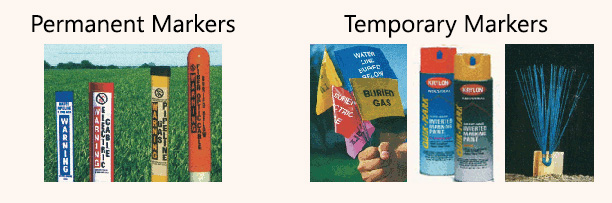
The pipeline markers pictured are located along road crossings, river crossings, railroad crossings, pipeline routes, and at all above-ground facilities.
They identify the approximate area where a pipeline is located and the product transported, whether it is Natural Gas or C02, RCG’s name and emergency contact number.
These markers should never be tampered with.
The National Pipeline Mapping System (NPMS) is a platform that is available to the public that shows where all pipelines are located in the community.
You should always avoid:
Building structures on pipeline rights-of-way;
Touching, climbing on or interfering with production and/or pipeline related facilities;
Digging around or near a pipeline facility without calling 811 and having a representative of the pipeline company present; and
Entering a production or pipeline facility property without proper permission.


 Do you see blowing dirt, a sheen on the water’s surface, or continuous bubbles in a creek, pond, or standing water? Do you know of a fire or an explosion near the location of a pipeline? Has a pipeline been exposed after a heavy rain or natural disaster such as an earthquake or flood? Is there an unusual hump or divot (low spot) where a pipeline runs?
 Do you smell an unusual, oily, or chemical odor? Some compare it to the stench of rotten eggs (H2S), or a skunk’s release, or that sulfur smell that lingers in the wake of a recently lit match. But remember, natural gas won’t always emit an odor, not unless an additive has been injected.
 Do you hear a hissing, bubbling, whistle, or roaring sound or did you hear an explosion?